





ᱢᱮᱥᱮᱡᱽ ᱤᱱᱴᱮᱞᱤᱡᱮᱱᱥ ᱨᱮ ᱜᱽᱨᱟᱣᱩᱱᱰ
ᱟᱭᱟᱨᱥᱤ ᱫᱚ ᱔᱒ ᱟᱭᱤ ᱵᱤ ᱮᱥ ᱦᱟᱭᱵᱽᱨᱤᱰ-᱑ ᱟᱭᱤ᱒ᱥᱤ ᱨᱮ ᱪᱷᱟᱯᱟ ᱟᱠᱟᱱᱟ ᱾
ᱵᱟᱹᱲᱛᱤ ᱯᱷᱨᱤᱠᱩᱣᱮᱱᱥᱤ ᱟᱨ ᱯᱷᱨᱤᱠᱩᱣᱮᱱᱥᱤ ᱨᱮᱭᱟᱜ ᱛᱟᱞᱟ ᱨᱮ ᱠᱚᱢ ᱫᱟᱲᱮ ᱾
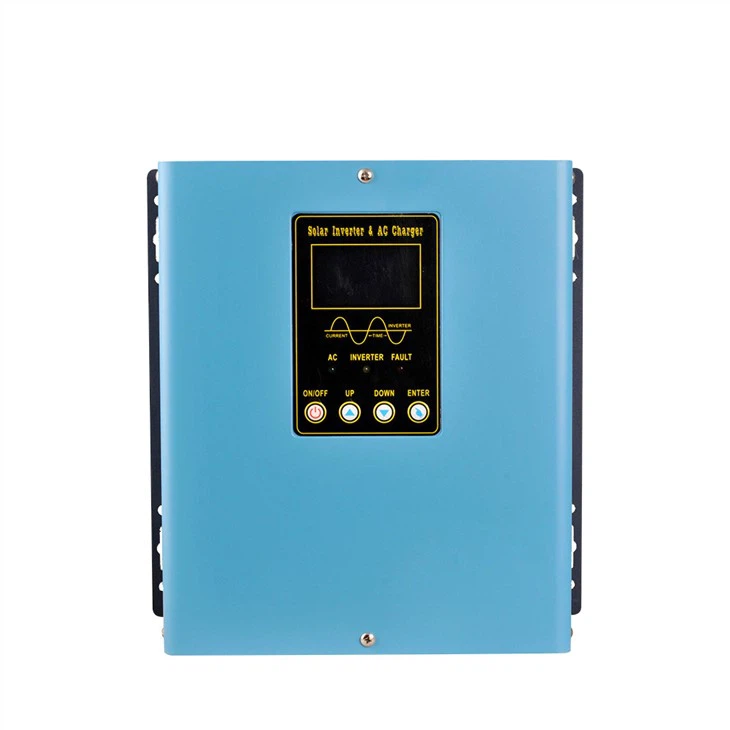
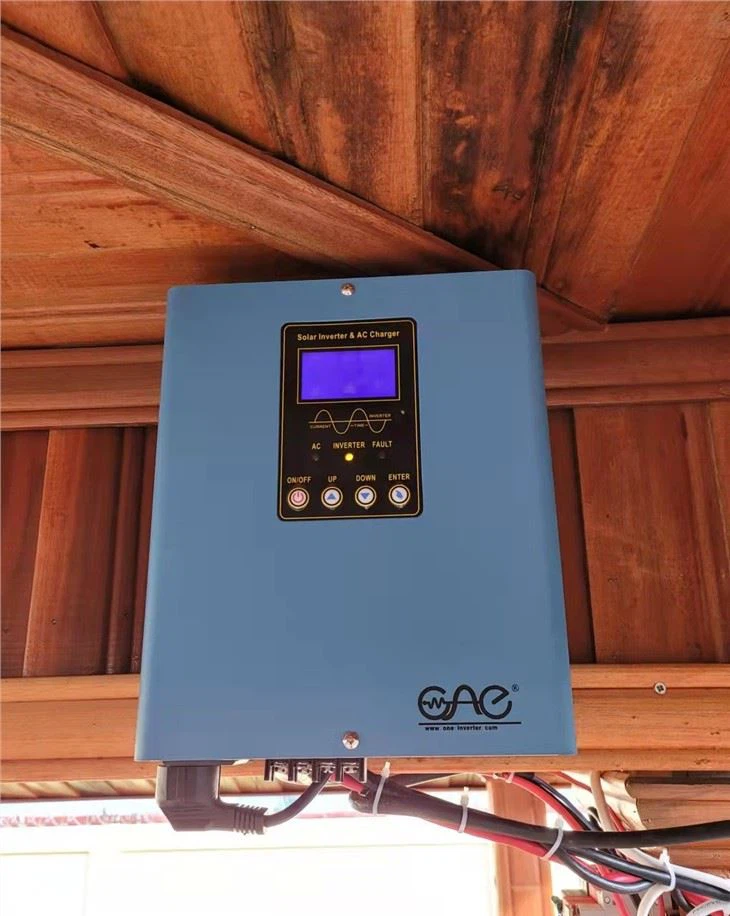
An inverter is a device that converts direct current (DC) to alternating current (AC) to meet the power demand of an AC load. According to the topology, inverters can be divided into high frequency inverters and power frequency inverters.
ᱪᱮᱛᱟᱱ ᱨᱮ ᱯᱷᱨᱤᱠᱩᱣᱮᱱᱥᱤ ᱠᱚ ᱾
10 min ᱨᱮᱭᱟᱜ ᱠᱚᱢ ᱫᱟᱢ ᱨᱮ ᱢᱮᱱᱟᱜ-ᱟ ᱡᱟᱦᱟᱸ ᱨᱮ ᱠᱚᱢ ᱥᱮ ᱠᱚᱢ ᱢᱤᱫ ᱠᱷᱟᱥ ᱜᱩᱱ ᱠᱚ ᱢᱮᱱᱟᱜ-ᱟ ᱡᱟᱦᱟᱸ ᱨᱮ ᱠᱚᱢ ᱥᱮ ᱠᱚᱢ ᱫᱟᱲᱮ ᱩᱛᱱᱟᱹᱣ ᱨᱮ ᱢᱮᱱᱟᱜ-ᱟ ᱾ then, after being boosted by the high-frequency transformer, it is rectified by the high-frequency rectifier and filter circuit into a voltage that is usually above 300V. High-voltage direct current, and finally obtain 220V power frequency AC power for the load through the power frequency inverter circuit.
Since the high-frequency inverter adopts the high-frequency magnetic core material with small volume and light weight, the power density of the circuit is greatly improved, so that the no-load loss of the inverter power supply is small, and the inverter efficiency is improved. Usually, the high frequency inverter used in small and medium PVS, its peak conversion efficiency can reach more than 90%.
ᱠᱚᱢ ᱯᱷᱨᱤᱠᱩᱣᱮᱱᱥᱤ ᱨᱮ ᱠᱚᱢ ᱜᱮᱭᱟ
3G ᱯᱟᱣᱟᱨ ᱯᱟᱣᱟᱨ ᱢᱮᱴᱨᱤᱠᱥ 300 kDa ᱨᱮ 20% ᱠᱷᱚᱱ ᱵᱟᱹᱲᱛᱤ ᱢᱮᱴᱨᱤᱠᱥ ᱯᱟᱣᱟᱨ, ᱟᱨ XVIF ᱢᱮᱴᱨᱤᱠᱥ, ᱡᱟᱦᱟᱸ ᱫᱚ XVIFs ᱨᱮ XVIFs ᱨᱮᱭᱟᱜ ᱫᱟᱲᱮ ᱫᱚ ∼ rpm ᱨᱮ ᱢᱮᱱᱟᱜ-ᱟ ᱾
Its advantage is that the structure is simple, and various protection functions can be realized at lower voltages. Because there is a power frequency transformer between the inverter power supply and the load, the inverter runs stably, reliably, with strong overload capacity and shock resistance, and can suppress the high-order harmonic components in the waveform. However, power frequency transformers are also bulky and expensive, and their efficiency is relatively low. The rated load efficiency of the small power frequency inverter produced at the current level generally does not exceed 90%. At the same time, the iron loss of the power frequency transformer is basically unchanged when it operates under full load and light load, so it operates under light load. The no-load loss is larger and the efficiency is lower.


ᱦᱚᱜᱽᱥ: ᱵᱟᱡᱟᱨ ᱨᱮ, ᱫᱟᱢ, ᱠᱚᱢ ᱫᱟᱢ, ᱠᱚᱢ ᱫᱟᱢ, ᱪᱟᱥ, ᱪᱟᱥ, ᱪᱟᱥ, ᱪᱟᱥ, ᱪᱟᱥ, ᱪᱟᱭᱱᱤᱡᱽ ᱠᱚ ᱞᱟᱹᱜᱤᱫ, ᱱᱚᱶᱟ ᱫᱚ ᱯᱷᱟᱨᱢ ᱠᱚ ᱮᱢᱚᱜ ᱠᱟᱱᱟ ᱾
ᱤᱱᱴᱮᱜᱽᱨᱮᱥᱚᱱ
