



᱑.᱓ ᱥᱟᱭ ᱠᱷᱚᱱ ᱠᱚᱢ ᱫᱟᱲᱮ ᱨᱮᱭᱟᱜ ᱛᱩᱞᱟᱹ ᱡᱚᱠᱷᱟ ᱨᱮ ᱾
32GPS ᱠᱚᱱᱴᱨᱚᱞᱟᱨ ᱠᱚᱰ ᱠᱚᱰ ᱠᱚᱯᱤᱨᱟᱭᱤᱴ ᱥᱴᱨᱤᱯ
ᱯᱟᱣᱟᱨ ᱤᱱᱡᱮᱠᱥᱚᱱ ᱥᱟᱫᱷᱚᱱ ᱠᱚ ᱨᱮ, ᱫᱟᱲᱮ ᱫᱚ ᱗᱕ ᱨᱮᱭᱟᱜ ᱮᱴᱠᱮᱴᱚᱬᱮ ᱠᱟᱱᱟ ᱾
ᱥᱟᱱᱟᱢ ᱞᱮᱠᱟᱱ ᱨᱩᱠᱷᱤᱭᱟᱹ ᱞᱟᱹᱜᱤᱫ ᱵᱮᱵᱷᱟᱨᱚᱜ ᱠᱟᱱ ᱡᱚᱛᱚ ᱠᱷᱚᱱ ᱥᱟᱫᱷᱟᱨᱚᱱ, ᱠᱷᱟᱥ ᱠᱟᱭᱛᱮ ᱠᱟᱨᱴᱨᱤᱡᱽ ᱵᱮᱵᱷᱟᱨ ᱢᱮ ᱾
90 nms ᱨᱮᱭᱟᱜ ᱵᱮᱵᱷᱟᱨ ᱫᱚ ᱟᱹᱰᱤ ᱡᱟᱹᱨᱩᱲ ᱜᱮᱭᱟ, ᱡᱟᱦᱟᱸ ᱨᱮ ᱥᱟᱯᱷᱟ ᱟᱨ ᱵᱟᱝ ᱵᱩᱡᱷᱟᱹᱣ ᱟᱠᱟᱱ ᱡᱤᱱᱤᱥ ᱠᱚ ᱫᱚ ᱥᱟᱯᱷᱟ ᱞᱟᱹᱜᱤᱫ ᱵᱮᱵᱷᱟᱨ ᱦᱩᱭ ᱫᱟᱲᱮᱭᱟᱜ-ᱟ᱾
ᱤᱱᱯᱩᱴ ᱤᱱᱯᱩᱴ ᱨᱮ ᱵᱷᱮᱞᱭᱩ ᱫᱚ ᱵᱷᱮᱞᱭᱩ ᱵᱷᱮᱞᱭᱩ ᱨᱮ ᱵᱷᱮᱞᱭᱩ % % % 615 ᱨᱮ ᱠᱚᱱᱴᱨᱚᱞ ᱦᱩᱭᱩᱜ-ᱟ ᱾
| ᱥᱤᱞᱤᱱᱰᱟᱨ | ᱒᱐᱐᱑ |
| ᱢᱤᱫ ᱥᱤᱥᱴᱮᱢ | ᱖᱓᱐᱐᱐ |
| ᱜᱚᱱᱚᱝ ᱫᱚ ᱱᱤᱛᱚᱜ ᱠᱭᱩᱵᱤ ᱨᱮ ᱢᱮᱱᱟᱜᱼᱟ | 30A |
| ᱥᱤ ᱟᱨ | 24/12V |
| ᱴᱨᱟᱱᱥᱢᱤᱥᱚᱱ ᱯᱷᱤᱞᱴᱟᱨ | ᱗᱘% ᱠᱷᱚᱱ ᱦᱚᱸ ᱠᱚᱢ ᱥᱮ ᱠᱚᱢ |
| ᱥᱤ ᱮᱱ ᱮᱯ ᱨᱮ ᱤᱱᱯᱩᱴ | {} }}| |
| ᱢᱮᱴᱨᱤᱠᱥ ᱨᱮ ᱤᱱᱯᱩᱴ ᱤᱱᱯᱩᱴ | (ᱵᱤ) ᱒᱒᱕-᱓᱒᱐/᱒᱐᱑᱔-᱕ᱰᱤ᱒ᱰᱤᱰᱤᱮᱢ᱾ |
| ᱨᱤᱢᱚᱴ ᱤᱱᱯᱩᱴ-ᱰᱤᱭᱩ | 55000000056: 0. 0. X(): https:// https: } } } ᱥᱴᱨᱤᱝ> http: |
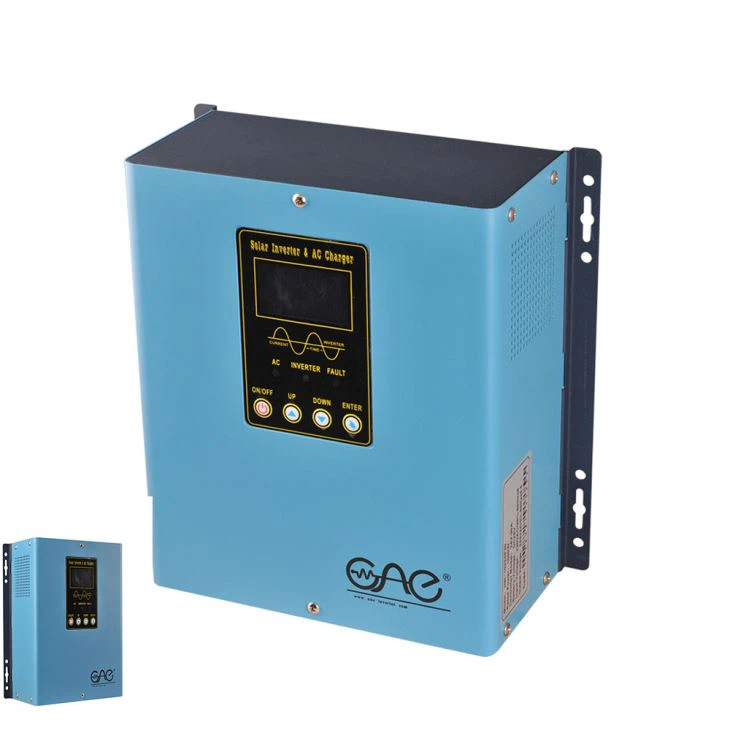
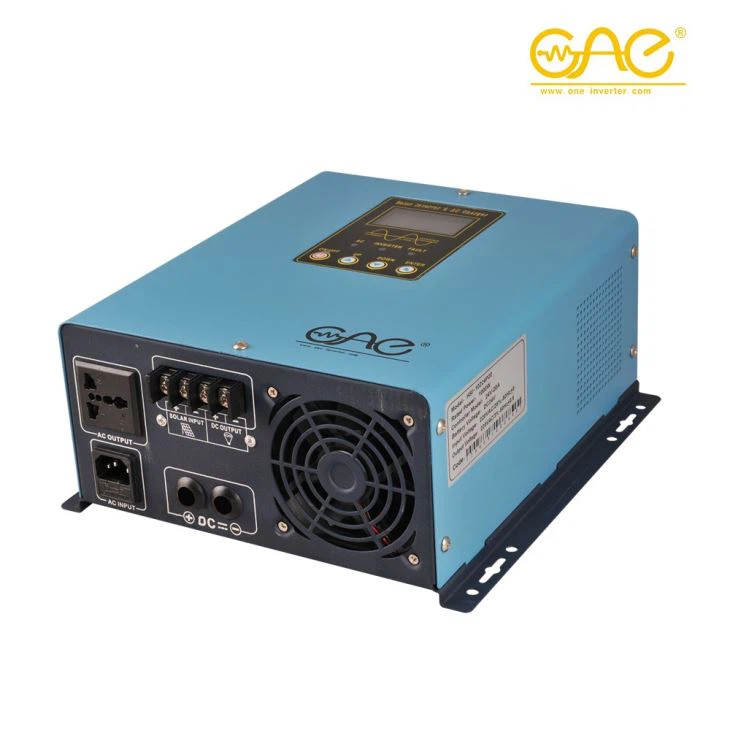
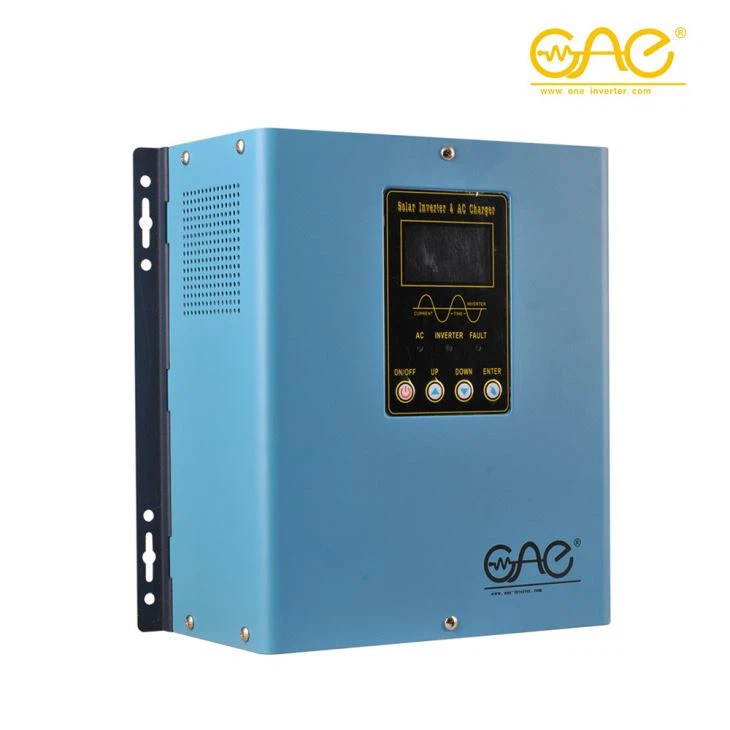
Solar inverters play an important role in solar power generation systems and are the key to determining the capacity of solar panels and batteries. The higher the quality of the inverter, the more power the solar inverter can convert. Many countries need energy to power developing economies.
The inverter not only has the function of DC-AC conversion, but also has the function of maximizing the performance of the solar cell and the function of system failure protection. It boils down to automatic operation and shutdown, and maximum power tracking control. Here is a brief introduction to the automatic operation and shutdown functions and the maximum power tracking control function.


ᱦᱚᱜᱽᱥ: 2005, ᱠᱷᱟᱴᱚᱠ ᱠᱚ, ᱠᱷᱟᱴᱚᱠ ᱠᱚ, ᱫᱟᱢ ᱠᱚ ᱫᱚ ᱠᱚᱢ ᱫᱟᱢ ᱛᱮ ᱵᱮᱱᱟᱣ ᱟᱠᱟᱱᱟ, ᱚᱱᱟ ᱫᱚ ᱥᱩᱯᱟᱨᱢᱟᱨᱠᱮᱴ, ᱴᱷᱟᱣᱠᱟᱹ, ᱜᱩᱱᱠᱚ, ᱜᱞᱤᱴᱟᱨ, ᱜᱞᱩᱠᱚᱡᱽ, ᱮᱢ.ᱥᱤ.
ᱤᱱᱴᱮᱜᱽᱨᱮᱥᱚᱱ
